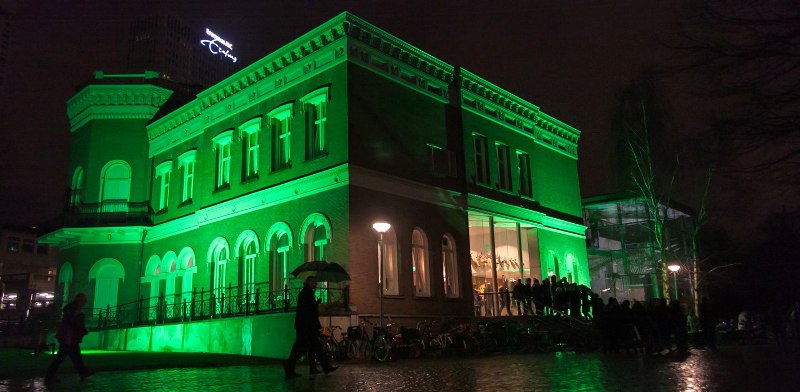

Explore a World of Biodiversity
Nature is endlessly complex, endlessly surprising, and — as the Natural History Museum Rotterdam makes abundantly clear — endlessly worth paying attention to. Home to a collection of over 400,000 specimens, this is one of the most significant natural history institutions in the Netherlands, and a place where scientific rigour and genuine wonder sit comfortably side by side.
What makes the museum particularly remarkable in today’s world is its commitment to accessibility. Over 85% of its vast collection has been digitised and made available online — an extraordinary achievement that transforms it from a physical destination into a global resource, open to researchers, educators, and curious minds anywhere on the planet. Whether you visit in person or explore from the other side of the world, the collection is there to be discovered.
A Collection That Spans the Natural World
The breadth of what the museum holds is genuinely impressive. Insects, molluscs, vertebrates, plants — the collection spans the full spectrum of life, with a particular focus on the Netherlands and Europe while extending to global coverage in select areas. Each specimen tells its own story, whether it is a rare beetle pinned in the nineteenth century or a plant variety documented just years ago. Together, they form a living archive of biodiversity that scientists continue to draw on for research today.
The museum’s curators are as passionate about storytelling as they are about science. Rather than presenting the natural world as something distant or academic, the exhibitions invite visitors of all ages and backgrounds to feel genuinely connected to the species and ecosystems around them — to look more closely, ask more questions, and leave with a deeper appreciation for the extraordinary diversity of life on Earth.
Worth the Visit
At a time when biodiversity has never been more fragile or more important, the Natural History Museum Rotterdam offers something quietly urgent alongside its sense of wonder. It is a place that reminds us what is at stake — and why the natural world, in all its intricate, astonishing detail, is worth understanding, protecting, and celebrating.