Nationaal Gevangenismuseum
Where Crime, Punishment and Human History Collide
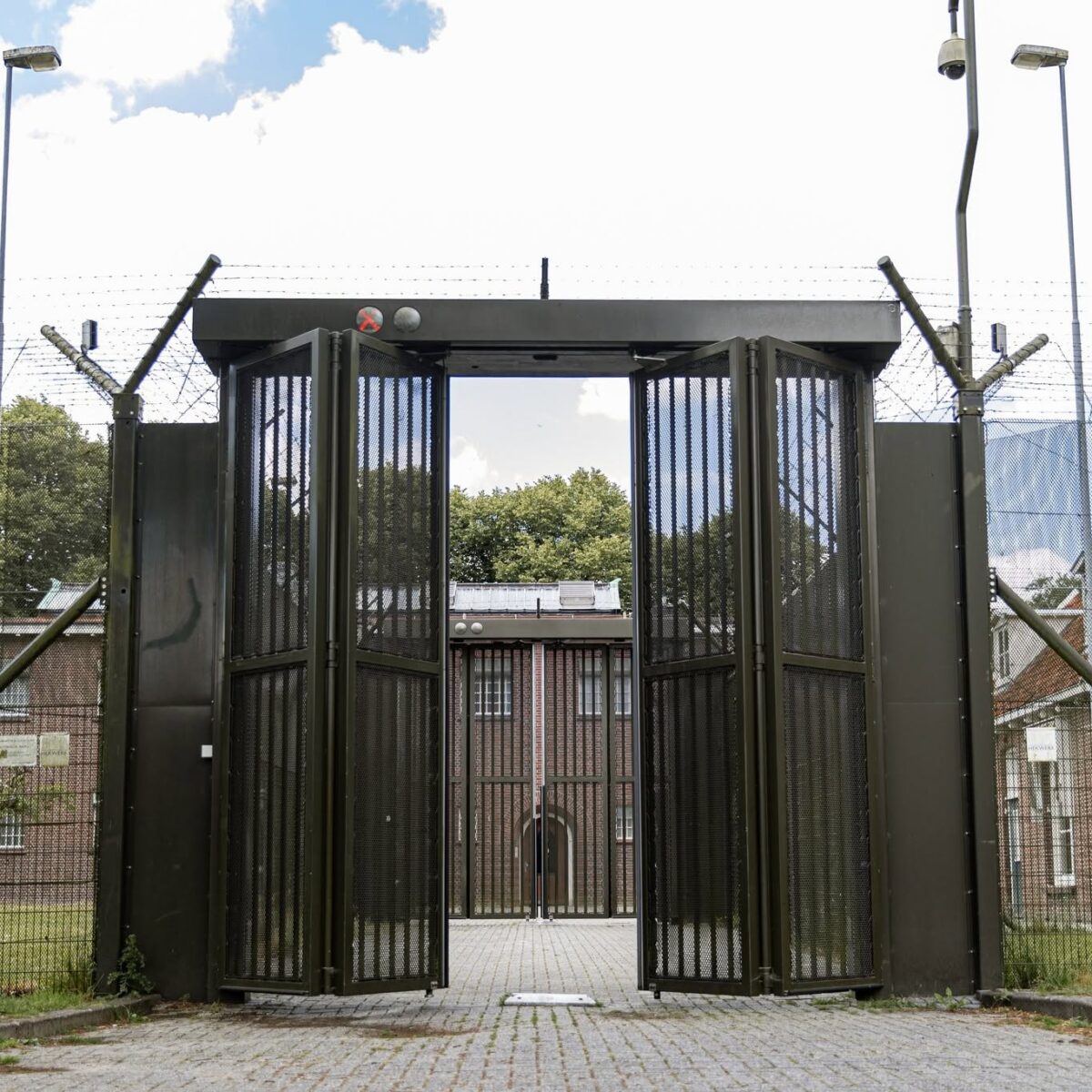
Deep in the province of Drenthe, in the remote and extraordinary village of Veenhuizen, the Nationaal Gevangenismuseum stands as one of the most unusual and unexpectedly moving museum experiences in the Netherlands. Housed in the former Tweede Gesticht, a vast institutional building erected in 1823 originally to confine beggars, vagrants, and orphans, the museum tells four centuries of Dutch criminal justice history within walls that have themselves been a place of confinement, correction, and controversy.
Veenhuizen is a village unlike any other. Founded by the Maatschappij van Weldadigheid, a philanthropic society established with the idealistic goal of lifting the poor out of poverty through labour and discipline, it grew into the largest colony of its kind in the Netherlands, home to thousands of destitute men, women, and children sent here from the cities. What began as a voluntary refuge gradually became a place of compulsory confinement, and after the Dutch state took over in 1859, it became an outright prison village. Today, four penitentiary institutions still operate in Veenhuizen, and the entire site has been inscribed on the UNESCO World Heritage List since 2020 — a recognition of its extraordinary and complex place in social history.
Four Centuries of Crime and Punishment
The museum’s permanent exhibition traces the history of crime and punishment in the Netherlands from 1600 to the present day, and does so with a directness and interactivity that makes even the darkest chapters of this history feel immediate and human. Visitors discover how punishments have evolved across the centuries, from the pillory and the rack to solitary confinement and rehabilitation programmes, and what those changes reveal about shifting ideas of justice, society, and the value of human dignity. Among the collection’s most striking pieces are a wooden torture rack and a breaking wheel from the seventeenth century, objects that require no explanation to make their point.
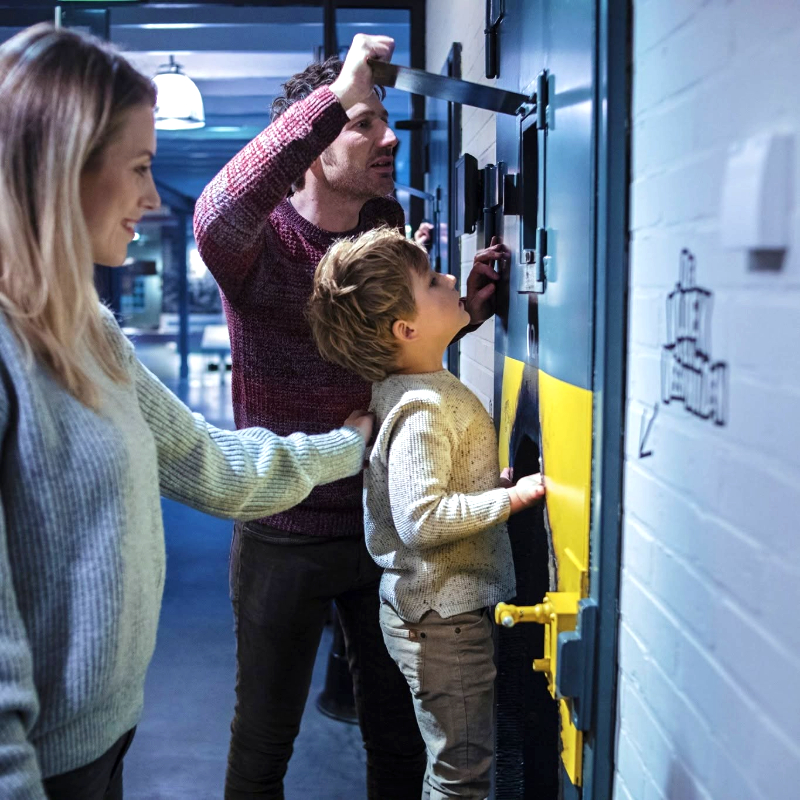
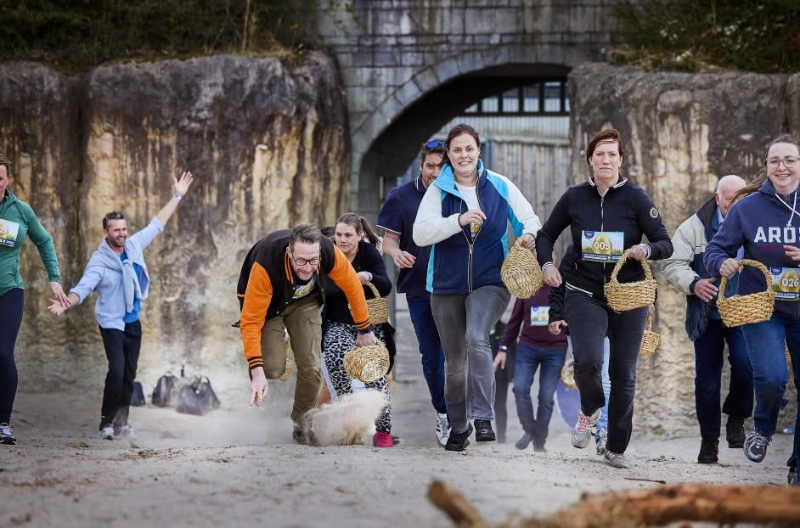
But the museum is far from a sombre or passive experience. Visitors can ride through Veenhuizen in an authentic police van, take a seat in a judge’s chair, step inside a real prison cell, and meet five inmates through the immersive Staatshotel experience. Guided tours of the adjacent De Rode Pannen prison, a functioning former penitentiary, allow visitors to walk the exercise yard and peer into the solitary confinement unit in a way that no exhibition panel alone could replicate. For younger visitors, treasure hunts, climbing structures in the prison courtyard, and dedicated children’s routes make the museum as engaging for families as it is for adults.
Combining social history, architecture, criminology, and deeply human stories in a setting that is itself a piece of living heritage, the Nationaal Gevangenismuseum is one of those places that stays with you long after you leave — a reminder that the history of punishment is, above all, a history of what we believe human beings deserve.