A Living Monument in the Heart of the Jewish Quarter
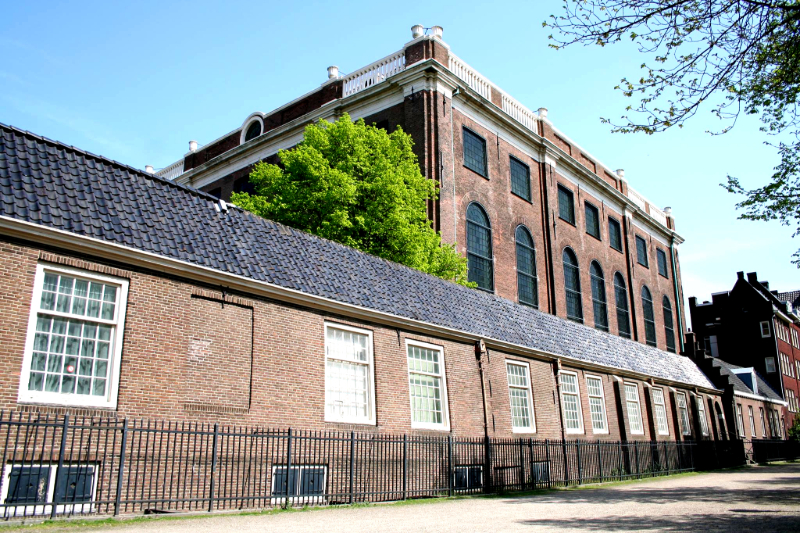
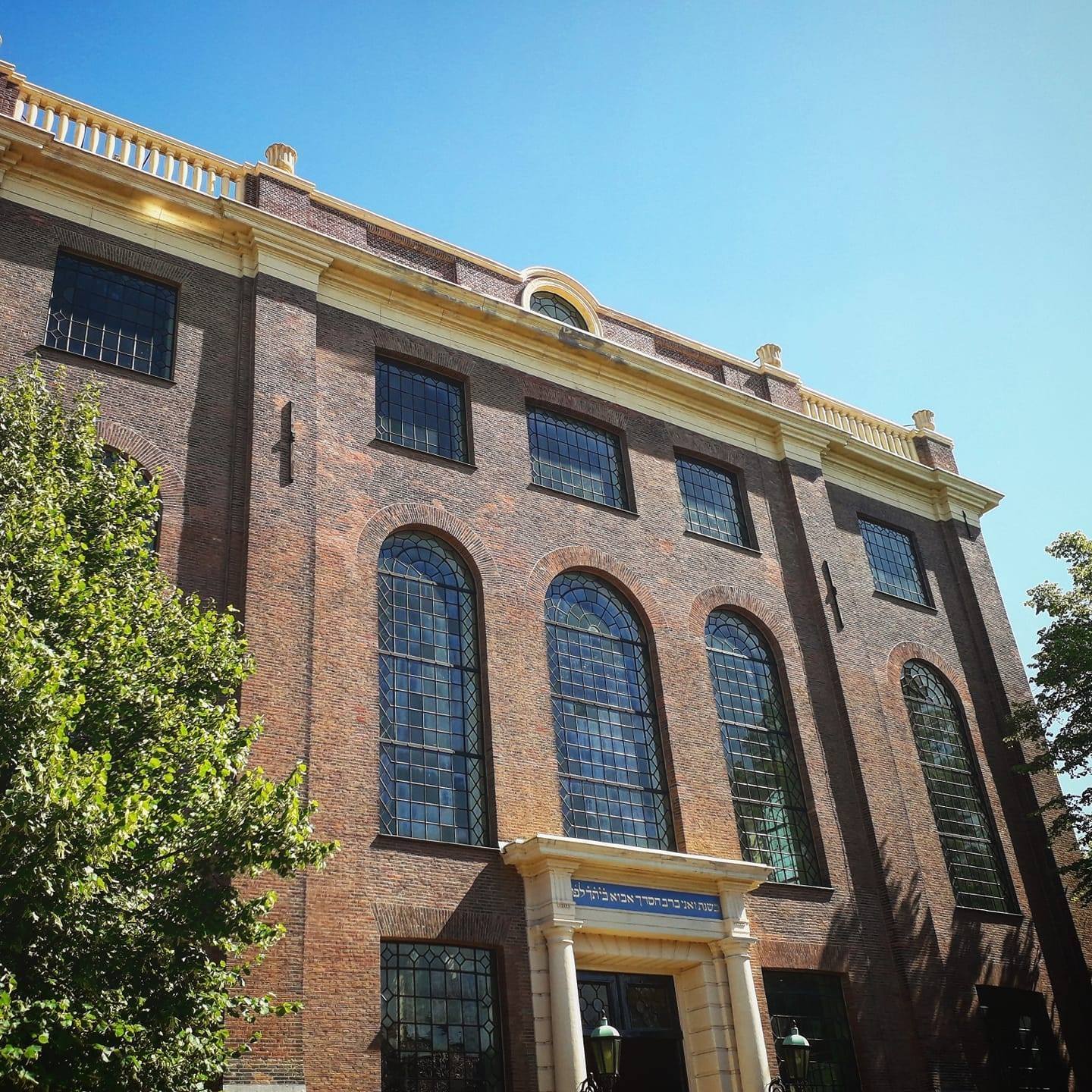
Standing in the heart of Amsterdam’s former Jewish quarter, the Portuguese Synagogue is one of the most beautiful and moving places of worship in Europe. Built between 1671 and 1675 by architects Elias Bouwman and Daniel Stalpaert, the synagogue, also known as the Esnoga, is far more than a religious building. It is an architectural testament to a community that left everything behind to find in Amsterdam the freedom that had been denied to them elsewhere.
Its story begins in the late sixteenth century, when thousands of Sephardic Jews fled religious persecution in Spain and Portugal to seek refuge in the Netherlands. Amsterdam, a city built on tolerance and trade, welcomed them and allowed them to practice their faith openly. In gratitude and with extraordinary ambition, the community resolved to build a synagogue worthy of its aspirations. At the time of its inauguration, it was the largest synagogue in the world, and it cost the community the colossal sum of 186,000 florins.
An Interior Unchanged for Three Centuries
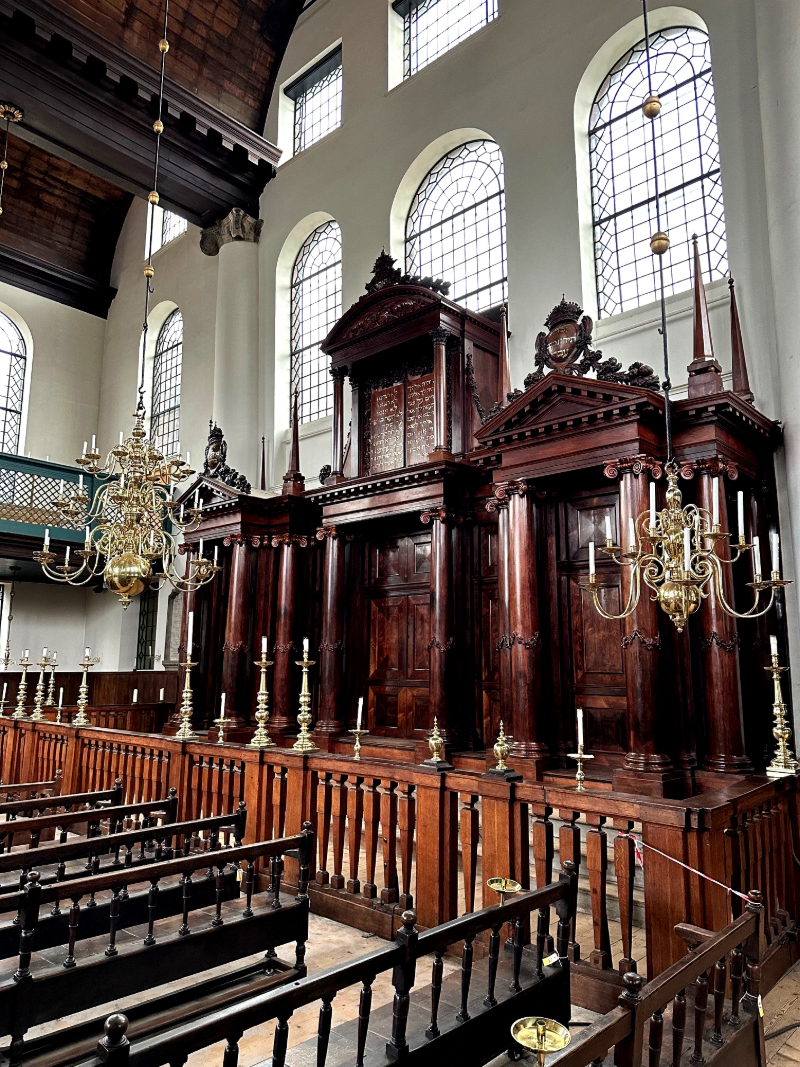
What makes the visit truly breathtaking is that the interior of the synagogue has remained almost entirely untouched since the seventeenth century. The towering columns, the wooden floor covered in sand, and the approximately 1,000 candles held by gilded copper chandeliers and candelabras, which remain the only source of artificial light, all combine to create an atmosphere of rare authenticity and solemnity. No electricity, no modernisation. The space breathes as it did on the very first day.
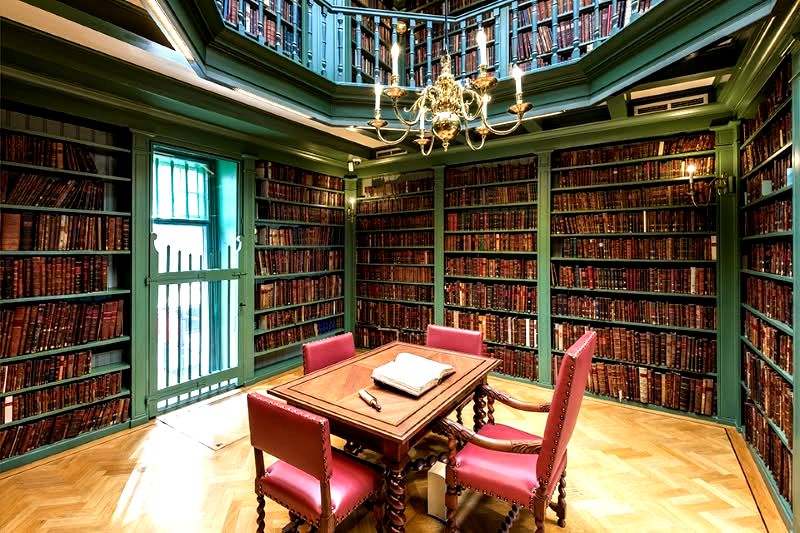
The synagogue also houses the Ets Haim, the oldest functioning Jewish library in the world and a UNESCO World Heritage site, alongside a collection of ceremonial objects of exceptional historical value. A free audio tour is included with admission, and monthly candlelit concerts add yet another dimension to an experience that is already unlike anything else in the city.
The Portuguese Synagogue forms part of Amsterdam’s Jewish Cultural Quarter, alongside the Jewish Museum, the Hollandsche Schouwburg and the Dutch National Holocaust Museum. Together, these places tell with rare depth the story of a community marked by persecution, resilience, and an extraordinary contribution to the cultural and intellectual life of the city.