
A Green Museum in the Heart of Rotterdam
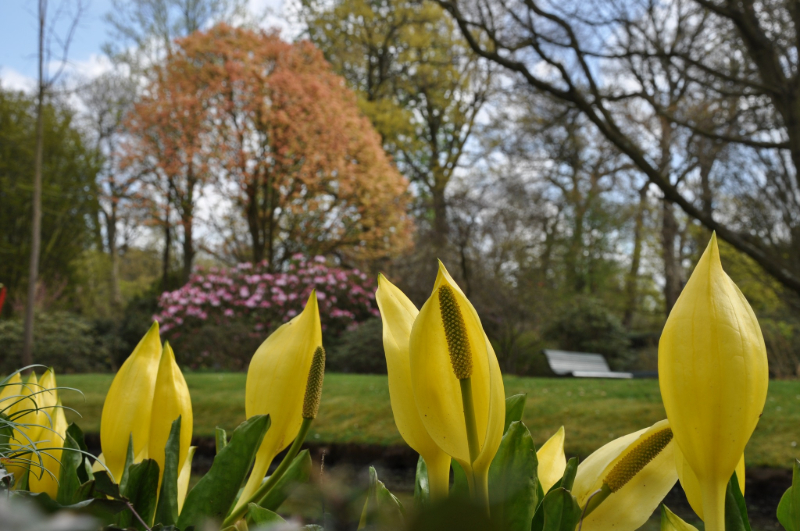
On the edge of Rotterdam’s Kralingen district, tucked between the city’s busy streets and the calm waters of the Kralingse Plas, Trompenburg Gardens and Arboretum is one of those rare places that surprises you with its scale and its serenity. Eight hectares of meticulously tended botanical gardens, home to over 4,000 species of trees, shrubs, perennials, bulbs and tubers — and yet, stepping through the gate, the city seems to disappear entirely.
The garden takes its name from the Dutch admiral Maarten Harpertszoon Tromp, who lived on the property in the seventeenth century. Its origins as a botanical garden date back to 1850, when it was laid out in the English landscape style that still defines its oldest section today — winding paths, gentle water features, and a sense of deliberate, unhurried beauty that has changed little in nearly two centuries. Over the years it has grown into a complex of connected gardens, each with its own character and its own collection, but all sharing the same atmosphere of quiet, living abundance.
A Collection of Extraordinary Depth
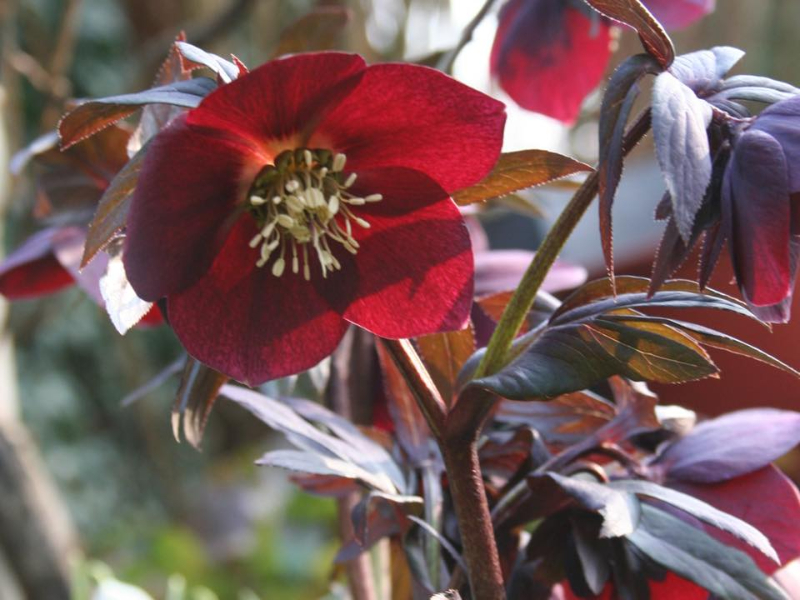
What makes Trompenburg genuinely special, even among botanical gardens, is the quality and rarity of what it holds. The Dutch National Collections of oak, beech, holly, and hosta are all preserved here, a responsibility the garden takes seriously as part of its role within the global Hortus Botanicus Guardians network. The hosta collection alone runs to 750 varieties. Over 700 different types of rhododendron fill the garden every spring with a display of colour that draws visitors from across the Netherlands and beyond. Two tree varieties, named Rotterdam and Trompenburg, are unique to this garden and found nowhere else in the world.
Beyond the main collections, Trompenburg holds constant surprises. A desert greenhouse shelters an exceptional array of cacti and succulents, some of considerable age. An aviary adds life and sound to one corner of the garden. Ponds with goldfish, a heather garden, rose gardens, small bridges over canals, and secluded benches tucked beneath ancient trees all contribute to a visit that rewards slow, unhurried exploration.
A Garden That Lives Through Every Season
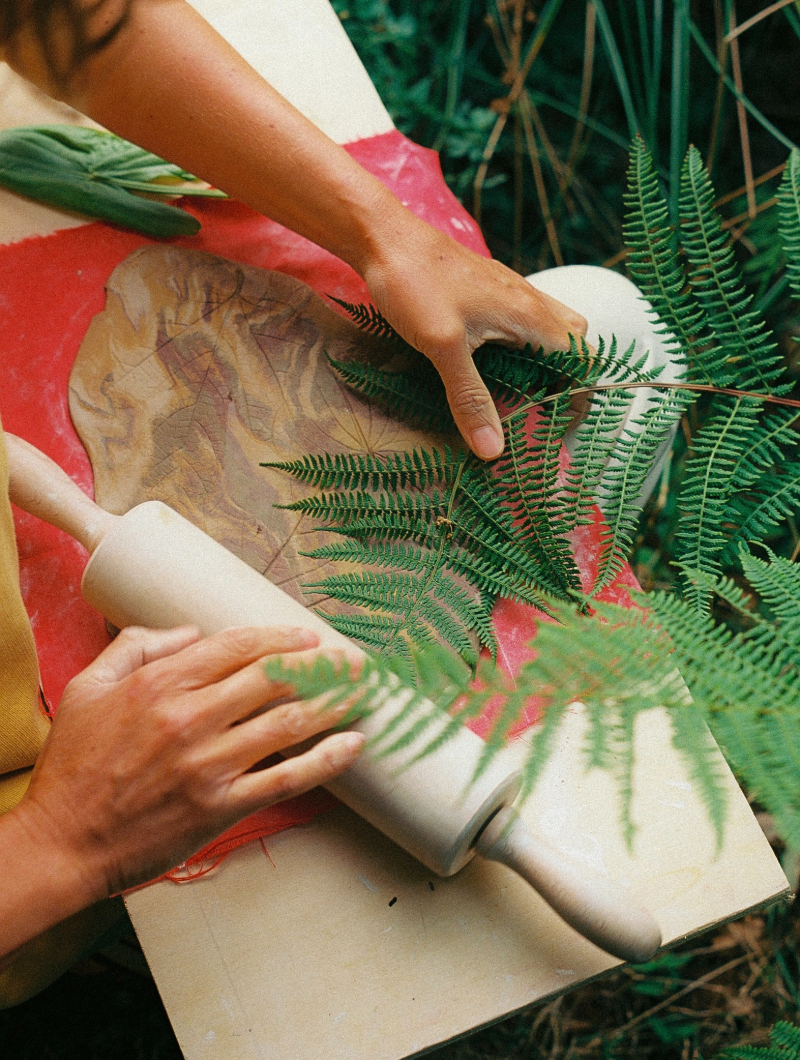
One of Trompenburg’s greatest qualities is how completely it changes with the seasons. Spring brings the rhododendrons and the bulbs. Summer fills the garden with warmth and the hum of insects. Autumn turns the arboretum into a spectacle of colour and falling leaves. And even in winter, the garden offers its own quiet beauty, with guided walks, workshops, and the annual Christmas market giving it a life that few botanical gardens maintain year-round.
The Food Forest, opened in 2018 on 1.5 hectares of the garden’s total area, adds a forward-looking dimension to a place steeped in history. Designed as a working edible ecosystem inspired by the principles of ancient woodland, it is part garden, part experiment, and part classroom, offering visitors a fascinating glimpse into what sustainable, nature-led food production can look like in the middle of a city.
Trompenburg Museum is located in Rotterdam. Before travelling, consult the venue’s official website for current opening hours, accessibility information, temporary exhibitions and ticket conditions.
Save this discovery, plan your visit, and build your cultural journey.
Culture, routes and places worth the journey.
Recommendations put the visitor first. Sponsored partners are never presented as independent editorial choices. AI-assisted cultural guidance.


Leave a Reply